Angkor passes and a first temple day: one day or several shorter visits?
Plan temple time, transport and rest separately, with published pass prices and a shorter first-visit option.

Plan this outing
- Best for
- First-time visitors who want a flexible, neighbourhood-focused plan.
- Time to allow
- Allow most of a day for three temple stops, transfers and a proper break; choose two for a shorter outing.
- Budget approach
- Published Angkor passes: 1 day US$37, 3 days US$62, 7 days US$72. Transport, guide services and food are extra.
Pass prices, visiting-day allowances and product-specific validity rechecked 21 November 2026 using the named primary references. Other references retain their earlier dates and limits. This is independent desk research, not a firsthand visit; proposed routes and time allowances are editorial suggestions, not live operating guarantees.
| Pass | Published price | Use allowance |
|---|---|---|
| 1 day | US$37 | One visiting day |
| 3 days | US$62 | Three visiting days within seven days |
| 7 days | US$72 | Seven visiting days within thirty days |
Siem Reap is the base for this guide, while the temple outing takes place at Angkor. Keep those two parts of the trip separate when planning your time: your hotel, meals and evening can be in town, but moving between temple stops needs its own arrangement. A driver’s route and a monument’s admission rules are different services.
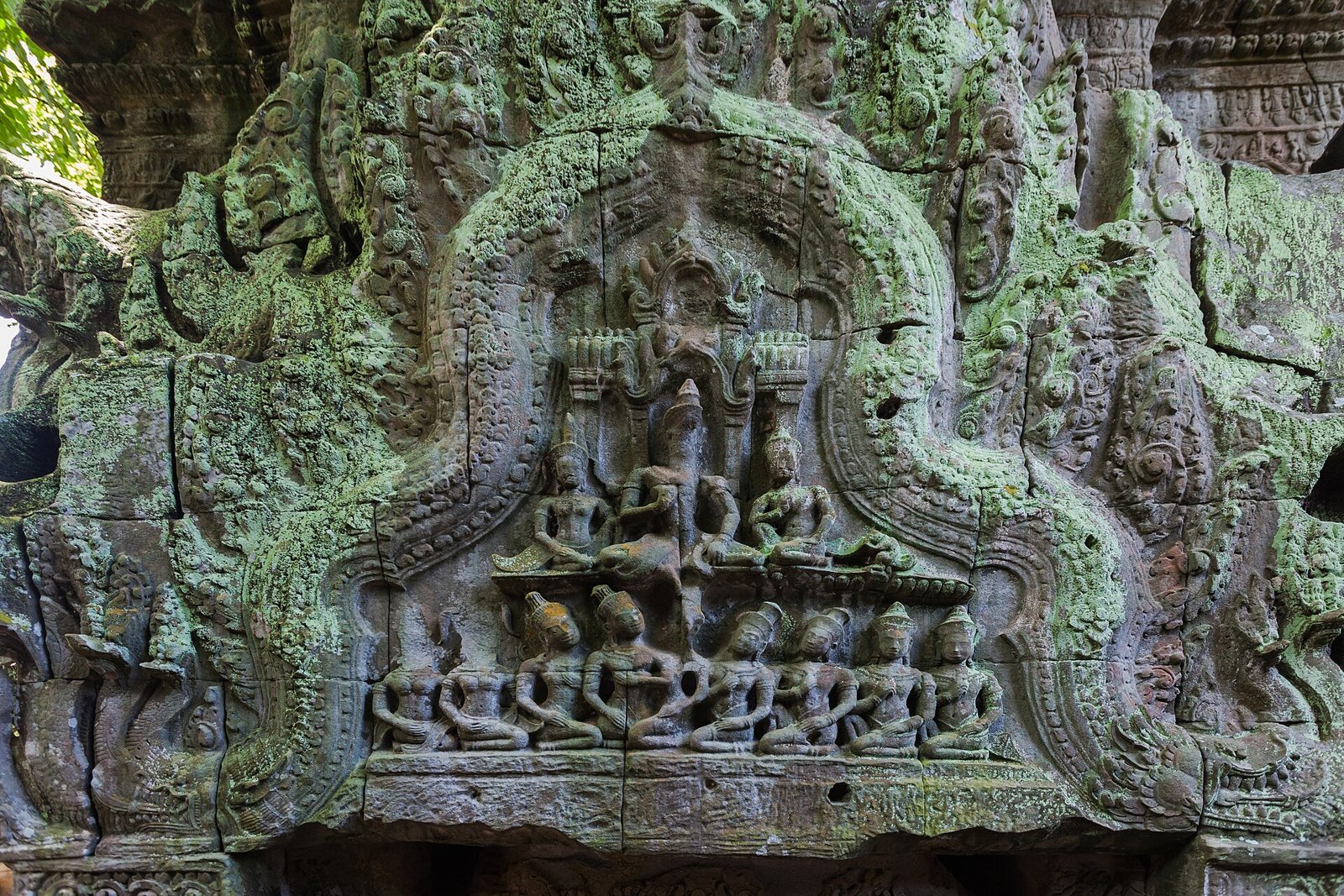
For a first visit, our suggestion is to compare Angkor Wat, Bayon and Ta Prohm, then choose two or three rather than an exhaustive circuit. APSARA’s temple information supplies heritage context. This is a researched planning guide, not a report of an on-site visit or a guarantee that every area will be accessible.
Compare visiting days with the pass validity window
Angkor Enterprise’s ticket catalogue, checked on 21 November 2026, lists US$37 for one visiting day, US$62 for three visiting days within seven days, and US$72 for seven visiting days within thirty days. The validity window is the period in which to use the allowance; it is not seven or thirty days of unlimited admission.
The three-day product costs US$25 more than one day, so it can support two shorter temple outings with a rest day between them if that matches your stay. For a single available temple day, the larger window adds no usable visiting time. Confirm the ticket terms and sites covered before paying; transport and guiding remain separate.
Give Angkor Wat a dedicated slot
Our suggestion is to make Angkor Wat the anchor of the day, with time to pause rather than racing straight through to the next temple. Discuss the entrance and meeting point with your driver. Keep a saved contact method in case the return arrangement changes.
A sunrise start is optional, not a requirement for a worthwhile visit. Ask about the relevant opening arrangements before planning a very early departure. Follow signs for permitted paths and clothing requirements, and treat any closed stairway or conservation area as outside your itinerary.
Decide between two stops and three
Bayon and Ta Prohm offer additional temple contexts for readers who want a longer circuit. Have the driver explain the transfer order and where you will stop for a break. A temple list is not a walking route, and the travel between stops must be included.
For a shorter first outing, choose Angkor Wat plus one other stop. Tell your driver that you want a flexible return rather than filling the saved time with more temples. That makes the day easier to adapt to your interests and to whichever visitor areas are open.
Separate admission from the transport quote
Before booking transport, ask for the full itinerary, start and finish locations, waiting time and total charge. If you want a guide, confirm whether that is a separate person and fee. Do not assume admission, meals or refreshments are included in a vehicle quote.
Make room in the day for lunch and a seated rest, and keep the evening in Siem Reap optional. The planning goal is to return with time to recover, rather than to squeeze a town outing between temple transfers. This guide intentionally avoids promising an exact finish time.
Choose the reason for the second temple
After choosing Angkor Wat as the main visit, ask what you want from the next stop. If the appeal of another temple is different architecture or a different setting, give it its own substantial slot. If you cannot explain why it matters to you, a longer first visit and a rest may be a better use of the day.
Tell the driver which stop is optional before departure. That gives the plan an honest way to shorten without replacing one abandoned temple with several unscheduled ones. Check actual permitted visitor areas before deciding how much of each stop you will attempt.
Match the validity window to the stay you actually have
A three-day allowance within seven days lets you separate temple days with a rest day; it is not admission for all seven days. The seven-day product likewise uses a thirty-day window. The official catalogue lists Koh Ker and other products separately, so check the product’s exact coverage rather than assuming every temple excursion is included.
Our decision rule is to count the temple days you will realistically use, then choose the pass. For one available day, keep two main stops and a proper break. For several days, separate the routes before agreeing a driver’s itinerary so a larger pass does not become pressure to rush.
Good to know
- Save your starting point and a return route before leaving.
- Check current venue access and transport notices for the date you intend to visit.
- Keep optional paid visits separate from the basic route budget.
Common questions
Does the Angkor pass include my driver?
The published pass prices are admission prices. Arrange transport and guide services separately and check the quoted inclusions.
Must I visit at sunrise?
No sunrise visit is assumed in this route. Choose a departure time that matches the current visitor schedule and your group’s preferences.
What are the published Angkor pass prices?
Angkor Enterprise lists US$37 for one day, US$62 for three visiting days within seven days and US$72 for seven visiting days within thirty days. Confirm current terms and coverage before purchase.
Does a three-day pass mean seven days of visits?
No. Seven days is the validity window in which to use the three visiting days. Transport, guiding and food remain separate.
In this guide
Angkor Wat
Make this the anchor temple only if it matches your interests. Consult official heritage guidance, ticket validity and currently permitted visitor areas.
Bayon
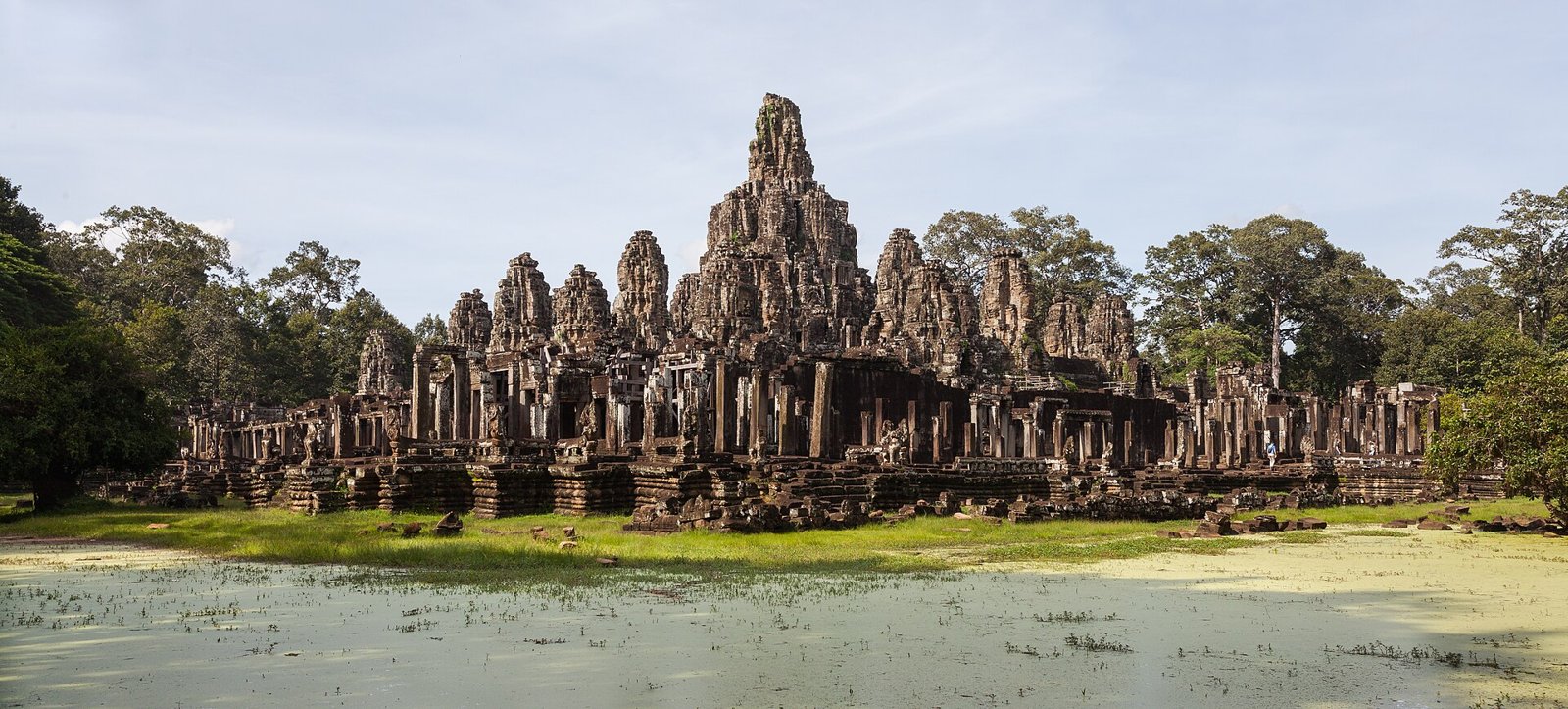
Choose this as a distinct temple addition rather than another name to tick off. Count the vehicle transfer and current access in the day plan.
Ta Prohm
An alternative or additional temple stop requiring its own time. Follow marked visitor paths and leave conservation areas outside the route.