Phuket beach outings: choose the setting before the swim
Compare five areas by the day you want, with swimming kept as a separate conditions-dependent choice.
Plan this outing
- Best for
- Choosing one beach outing around access, transport and conditions.
- Time to allow
- Our suggestion: half a day at one beach, including transfers.
- Budget approach
- Price the return transfer, meal and any equipment separately before committing.
Time allowances and budget methods are Sidestreet planning suggestions, not fixed schedules or guaranteed prices. This is a research-based guide; check venue and transport notices before travel.
| Choice | Plan for | Keep in mind |
|---|---|---|
| Kata or Nai Harn | A beach outing with a local meal | Check flags and lifeguard advice on arrival |
| Freedom Beach | More involved access | Confirm the route, entry terms and return before setting out |
| Mai Khao | A shore walk | Check park rules and access; aircraft viewing does not permit entering restricted areas |
| Patong | A busier beach and town outing | Choose a meeting point and return pickup location |
A beach visit does not have to be a swimming visit. Decide whether you want a walk, a meal near the water, a quieter pause or organised activity. Those priorities can produce different choices even for visitors staying in the same part of Phuket.
Use current local flags, lifeguard instructions and access notices when deciding what to do at the water. A beach description, season label or previous visit is not an assurance of conditions today. Keep the land-based part of your outing worthwhile in case swimming is inappropriate.
Kata Beach
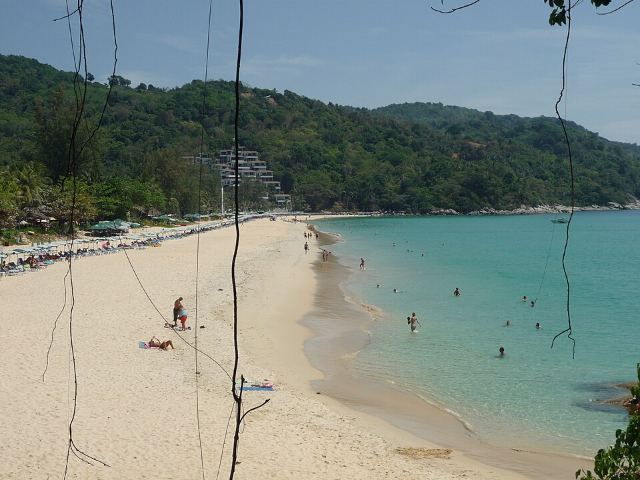
Compare the available beach setting and nearby services with the outing your group wants.
Compare the Kata area with the beach outing you want. A walk, lesson and swim need different decisions; use current local instructions for water activity.
Place details ↗Find on map ↗Nai Harn Beach
Choose this only after checking the current approach and facilities you expect to use.
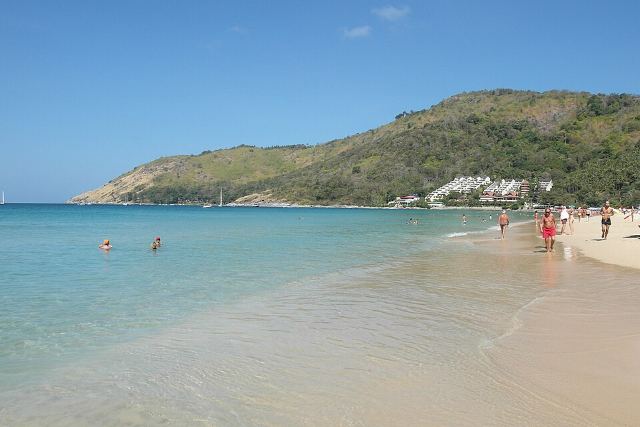
A beach-area option for a walk or pause after checking the approach. Choose swimming separately using current local conditions and advice.
Place details ↗Find on map ↗Freedom Beach
Confirm the permitted route and return before making a dedicated journey.
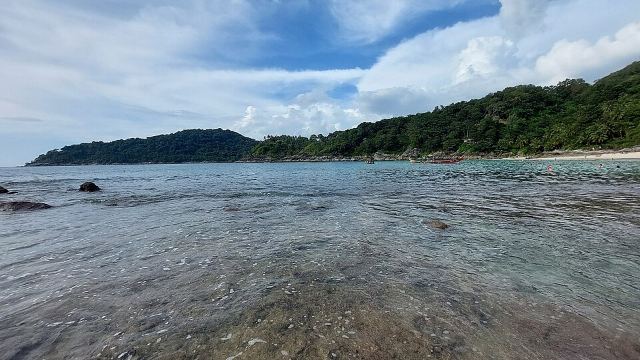
Confirm the permitted access route, charges if applicable and the journey back. A more involved approach should be part of the decision, not an afterthought.
Place details ↗Find on map ↗Mai Khao Beach
Plan a beach walk without treating nearby airport areas as permitted visitor space.
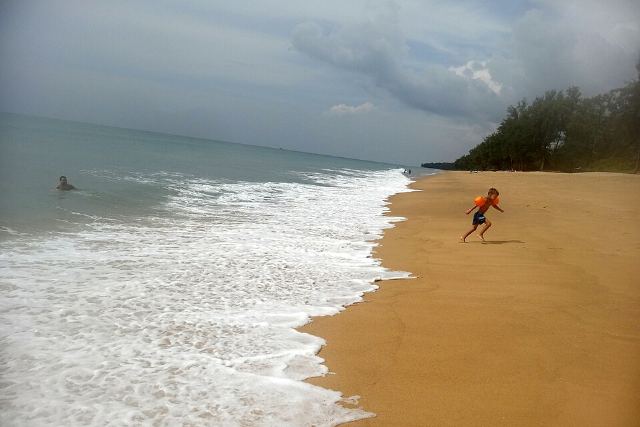
A northern beach option for a permitted land-based outing. Follow local notices and keep restricted airport areas outside the photography or walking plan.
Place details ↗Find on map ↗Patong Beach
Compare a busier beach setting with the quieter outing you might prefer elsewhere.
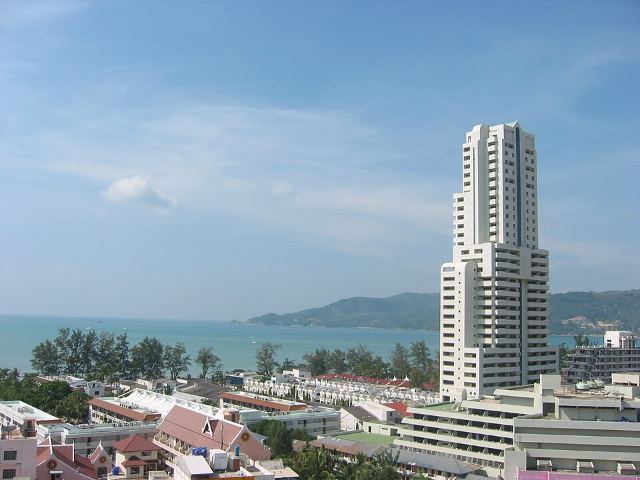
Compare this beach area with the busier outing you want. Check the actual business, activity or route rather than treating a nightlife description as a shared timetable.
Place details ↗Find on map ↗The two seasons
Conditions vary through the year and from beach to beach. Seasonal patterns cannot establish that a beach is safe for swimming on a particular day. Follow posted warnings and lifeguard instructions.
Lifeguards mark safe areas with red-and-yellow flags. A red flag means do not enter the water at all. Take the flags seriously, even when the sea looks inviting.
Getting from beach to beach
Compare the actual travel route between beaches. Check the transport operator’s current stops, timetable and fare, or agree a return transfer with a driver before leaving.
Many visitors rent scooters. The roads over the headlands are steep and accidents are common, so wear a helmet and check that your travel insurance covers riding.
A few more to know
Karon, next to Kata, is a long, wide beach with fine sand that squeaks underfoot. Surin and Bang Tao, further north, are quieter and lined with resorts. Nai Yang, near the airport, sits inside a national park and has a relaxed, local feel.
A beach choice shaped by surf culture
The linked interview-led surf guide describes a growing community around Phuket’s beaches, with Kata and Bang Tao among the places where surf schools have established themselves. Its coverage is about surfing culture and seasonal waves, rather than a promise of calm water for every beach visit.
Use that distinction when choosing the kind of day you want: watching the surf, taking a locally supervised lesson or staying on shore. The article is background reading; check conditions with lifeguards and a qualified local operator on the day, and follow beach flags.
A beach choice is not a swimming guarantee
Weather, swell, currents and warning flags determine whether to enter the water. Do not treat a dry-season date or an attractive photograph as proof of safe conditions. Ask lifeguards about the designated area; if swimming is prohibited or conditions are uncertain, stay on shore.
Build a shore-only alternative into the plan: a walk where access is permitted, lunch or an earlier return. For a lesson or boat trip, use a qualified operator and ask about cancellation if conditions change.
Get a complete transport quote
Check a bus operator’s current route and timetable or obtain a taxi quote for both directions. Include the walk from the drop-off point, any return pickup arrangement and waiting time. Do not assume a remote beach has the same pickup availability as a resort frontage.
If hiring any vehicle, check licence requirements, insurance terms and your ability to drive the route. Compare a car or organised transfer if steep roads, rain or an unfamiliar vehicle would make the journey unsuitable.
Design a day that still works without entering the water
Choose the arrival point, one land-based activity and a meal or seated break. Then ask whether a swim adds something in the actual conditions. This avoids building the whole journey around a water activity you may need to decline.
For a booked lesson or rental, ask the operator about suitability, supervision, equipment and cancellation for your group. Do not infer that an activity suits beginners solely from the beach name. Keep current conditions and the operator’s decision separate from the general description.
Good to know
- Smoking is banned on many Thai beaches, including Patong, and fines are large.
- Jellyfish appear at certain times of year. Lifeguard stations keep vinegar for stings.
- Sunbeds are allowed only in marked zones. Bring a towel or mat.
- The sun is strongest between 11am and 3pm. Use reef-safe sunscreen.
Common questions
Which beach is best for children?
Choose a beach with appropriate facilities for your family, then check conditions and lifeguard advice on the day. No beach or season guarantees suitable swimming conditions.
Can I walk from one beach to the next?
Check the actual pedestrian route. Some beaches are separated by steep headlands or roads with limited walking space; a short map distance is not proof of an easy walk.
When is the sea clearest?
Water clarity changes with weather and sea conditions. Do not use a seasonal expectation as a safety decision.
Is there shade?
Nai Harn and Mai Khao have trees behind the sand. Elsewhere, bring an umbrella or rent one in the permitted zones.