Phuket Old Town: a walk built around breakfast or shopping
Choose one reason to explore Thalang Road and nearby streets, then leave a market evening separate.
Plan this outing
- Best for
- Architecture, a meal and a slower walk through the historic core.
- Time to allow
- Our suggestion: 3–4 hours; treat a Sunday market as a separate evening outing.
- Budget approach
- Budget for food, transport and any museum entry; street browsing does not include private interiors.
Time allowances and budget methods are Sidestreet planning suggestions, not fixed schedules or guaranteed prices. This is a research-based guide; check venue and transport notices before travel.
| Stage | Suggested plan | What to check |
|---|---|---|
| Morning | A meal, then Thalang Road and nearby streets | Your chosen shop’s opening time |
| Middle | A museum or café break | Current admission and indoor access |
| Sunday option | Lard Yai on Thalang Road | Current event notice and return pickup outside the closure |
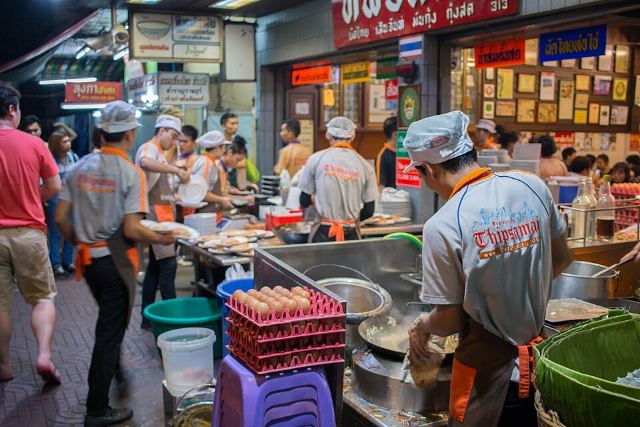
Choose breakfast, streetscape or browsing as the anchor of a Phuket Old Town outing. The same streets can support all three, but trying to fit every idea into one morning often leaves little time for the meal or shop you actually wanted.
Use Thalang Road, Dibuk Road and Soi Romanee as orientation names, then select a small area to explore. A Sunday market visit is a separate scheduling choice; it should not be promised as part of an ordinary weekday walk.
Tin, trade and shophouses
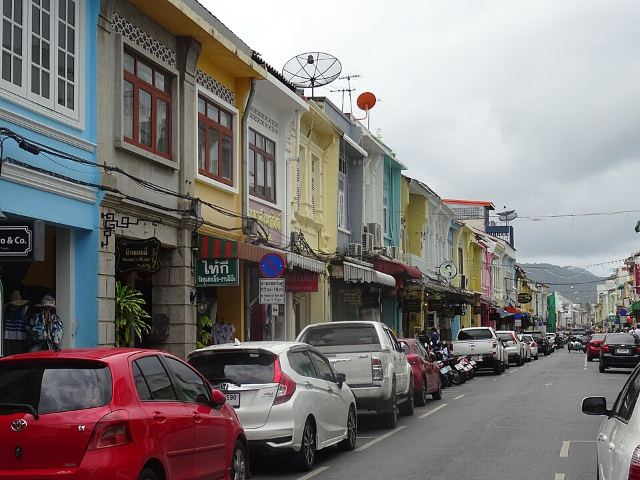
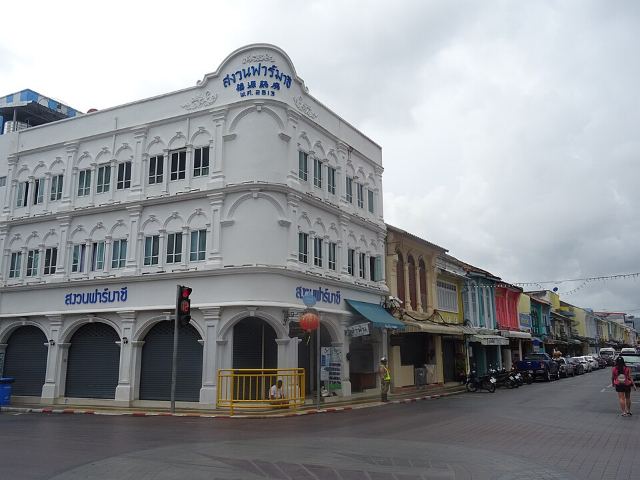
In the nineteenth century Phuket was one of the world's main sources of tin. The boom drew thousands of Hokkien Chinese workers and merchants, many of them by way of Penang in what is now Malaysia. They built the shophouses that give the old town its character: narrow fronts, long interiors with an open air well, and a covered walkway along the street to shelter pedestrians from sun and rain.
The style is usually called Sino-Portuguese. The community that grew up here, with its mix of Chinese and local customs, is known as Baba or Peranakan, and its food and dress are still part of daily life.
What to see
The Thai Hua Museum, in a handsome former Chinese-language school, tells the story of the tin trade and the families who ran it. The On On Hotel, opened in the late 1920s, was the island's first hotel and has been restored. Soi Romanee, once the red-light lane for miners, is now the prettiest street in town.
In 2015 UNESCO named Phuket a Creative City of Gastronomy, largely on the strength of the old town's cooking.
What to eat
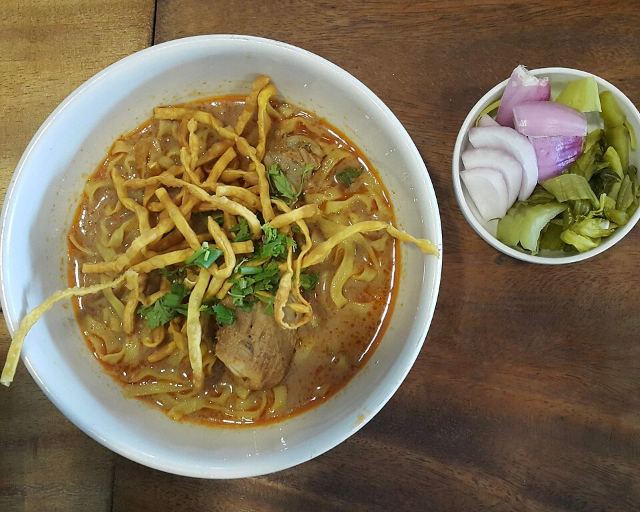
Local specialities are different from standard Thai restaurant food. Mee Hokkien is thick yellow noodles fried with pork and seafood. Moo hong is pork belly braised slowly with pepper and garlic. For something sweet, o-aew is a bowl of shaved ice with banana-seed jelly and red beans, found almost nowhere else in Thailand.
Choose a small loop with an indoor pause
Use Thalang Road, Dibuk Road and Soi Romanee as orientation points, then choose a route that returns you to a convenient pickup area. The tourism board describes a wider historic street network; you do not need to cover every road to understand the shophouse setting.
Choose an indoor stop before the hottest part of your outing. Check the actual opening day and entry terms rather than assuming a museum or restored building welcomes walk-in visitors. A covered arcade does not mean every crossing is sheltered.
Separate breakfast from the Sunday evening market
A morning food walk and Lard Yai serve different plans. If you want both, leave room for a break elsewhere rather than expecting the same stalls all day. Confirm the current market notice and road closures before a dedicated evening trip.
For food, ask what is in the dish, whether portions are shared and how extras are charged. Photograph people and shop interiors only with permission. Keep entrances clear, especially when browsing under narrow arcades.
Let the meal shape the walk
If breakfast matters most, choose a business with a current menu and serving time before planning the street route. Ask how dishes are ordered and what the displayed price includes. You can take a short walk afterwards rather than combining several meals because each appears in a guide.
If browsing matters more, choose a refreshment stop as the break between two street segments. Keep purchases and food spending separate. When a shopfront interests you, distinguish public viewing from entering a working or private interior.
Good to know
- Choose a period that fits the businesses you want and your comfort in the actual weather. Keep a seated break and a shorter route available instead of promising one universal best walking time.
- Many cafes and small museums close on Mondays.
- The Smart Bus does not serve the old town. Take a taxi, or one of the open-sided local buses that link the beaches with Phuket Town.
- On Sundays, come at four for the walking street and stay for dinner.
Common questions
How long should I allow?
Half a day covers the main streets, a museum and a long breakfast. Add the evening if it is a Sunday.
Is it walkable?
Yes. The historic core is only a few blocks across, and the covered walkways give shade for much of the way.
What if it rains?
Choose an open museum or café, or shorten the walk. Some arcades provide cover, but crossings and sections of the route remain exposed.
Where does a taxi drop me?
Ask for Thalang Road. Parking in the old town is very limited, so arriving by taxi is easier than driving.
In this guide
Phuket Old Town
Choose a small part of Old Town for breakfast, shopping or streetscape. Each purpose can lead to a different route and different business hours.
Cost: Free to wander
Lard Yai (Sunday Walking Street)
A Sunday walking-street listing to confirm for your date. Choose food or browsing as the purpose and avoid assuming all stalls share one schedule.
Hours: Sundays 4pm to 10pmCost: Free
Old Town breakfast shops
Choose a current breakfast menu before planning the surrounding streets. Ask about ordering, servings and total price instead of assuming every shop offers the same dishes.