Chiang Mai Old City: a temple walk with a shorter option
Choose a small sequence of landmarks, give lunch its own slot and keep extra lanes optional.
Plan this outing
- Best for
- An unhurried walk between a few Old City landmarks.
- Time to allow
- Our suggestion: half a day with a café or lunch break.
- Budget approach
- Allow for individual temple charges or donations, food and a return ride. Confirm current admission rules at each site.
Time allowances and budget methods are Sidestreet planning suggestions, not fixed schedules or guaranteed prices. This is a research-based guide; check venue and transport notices before travel.
| Stage | Suggested focus | Decision |
|---|---|---|
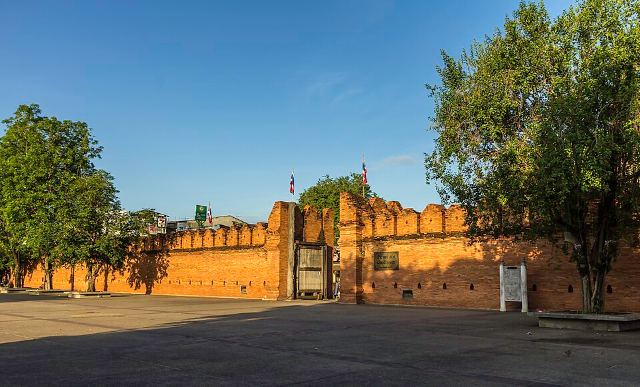
| Begin | Tha Phae Gate and an orientation walk | Use a saved map route, not the whole moat as a checklist |
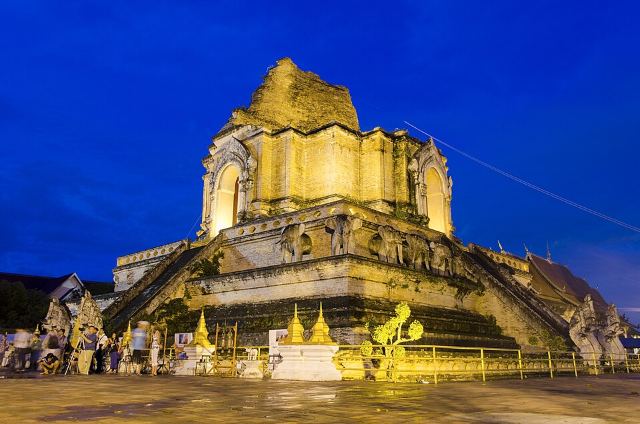
| Middle | Chedi Luang and a break | Check areas open to visitors and posted fees |
| Finish | Wat Phra Singh or a shorter return | Choose according to time, energy and access |
An Old City walk becomes more satisfying when it has a clear stopping point. Choose one temple as the main visit and use another landmark as an optional extension. Tha Phae Gate can orient the start, but it does not require you to cross the entire district.
Treat the route as a suggestion rather than a measured circuit. Crossings, visitor rules, time inside a temple and the café you actually want will shape the day. Decide where you will pause before adding a long chain of map pins.
Seven hundred years in a square
Chiang Mai means new city. King Mangrai founded it in 1296 as the capital of the Lanna kingdom, and the brick walls and moat were laid out as an almost perfect square. Much of the wall is gone, but the four corner bastions and five gates have been restored and the moat still holds water.
The gates are useful landmarks. Tha Phae faces east towards the river, Chang Phueak faces north, Suan Dok faces west and two gates open to the south. In the centre stands the Three Kings Monument, which shows Mangrai with the two allied rulers who helped him choose the site.
Three temples worth your time
Wat Chiang Man, in the north-east corner, is the city's oldest temple, built by Mangrai when the city was founded. Its small chedi rests on a ring of stone elephants.
Wat Chedi Luang, in the middle of the old city, was once the tallest structure in Lanna. Its upper part collapsed in an earthquake in 1545 and has been left as a ruin, which makes it more impressive, not less. Some afternoons, monks sit at tables in the grounds for informal conversations with visitors who want to ask about Buddhism or monastic life.
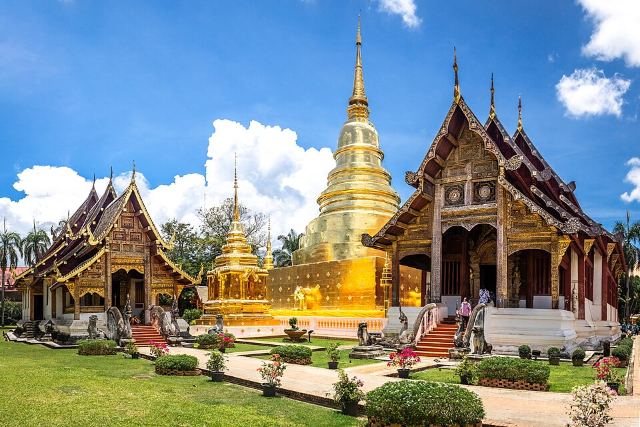
Wat Phra Singh, at the western end of the main street, is the most important temple for local people and the most richly decorated.
Getting around
Walk between a small number of stops, taking breaks when needed. For a songthaew journey, agree the destination and fare before boarding, including whether the charge is per person or for the vehicle.
An old-city temple, then a separate excursion
The linked temple guide places Wat Chedi Luang inside the Old City and explains its importance to medieval Lanna history. Its brick stupa was damaged in the earthquake of 1545. The same guide describes Wat Umong’s meditation tunnels in the Suthep foothills, outside the walled centre.
Our planning suggestion: keep Chedi Luang within your walking day and treat Umong as a separate outing. This gives each place time without turning a short city walk into a cross-town checklist. Confirm visitor access and dress requirements directly with the temples.
A route with a useful stopping point
Save Tha Phae Gate, Chedi Luang and Wat Phra Singh on your map and check the actual walking route. Treat that as a suggested sequence, not a claim that every pavement, crossing or temple entrance is step-free. Add a lunch stop before deciding whether to continue.
If you have only two hours, choose one temple and the streets around it. Doi Suthep and Wat Umong are separate excursions rather than quick extra stops within the walled centre. The provincial tourism overview gives background on city landmarks; confirm visitor arrangements directly.
Follow the temple’s own entry rules
Carry a layer for shoulders and knees, remove shoes where requested and follow photography signs. Keep clear of worshippers and ceremonies. If an area is closed, adjust the route rather than treating it as access promised by a guide.
Ask about toilets, seating, steps and shaded waiting areas if these will determine whether your group can visit comfortably. A short map distance can still be demanding in heat.
Choose depth instead of another landmark
At your main temple, leave time for the visitor information and the parts open to the public. Look at a few details closely rather than collecting photographs of every corner. Ask staff about areas you are unsure of; a doorway without a queue is not proof of visitor access.
At lunch, decide whether the next temple still interests you. You can end the walk after one substantial visit and a meal. If you continue, choose the actual route from where you are rather than returning to an arbitrary circuit drawn before the day began.
Good to know
- Choose a few landmarks and save the route before leaving.
- Follow each temple’s dress and photography notices.
- Take breaks and check the weather before a long walk.
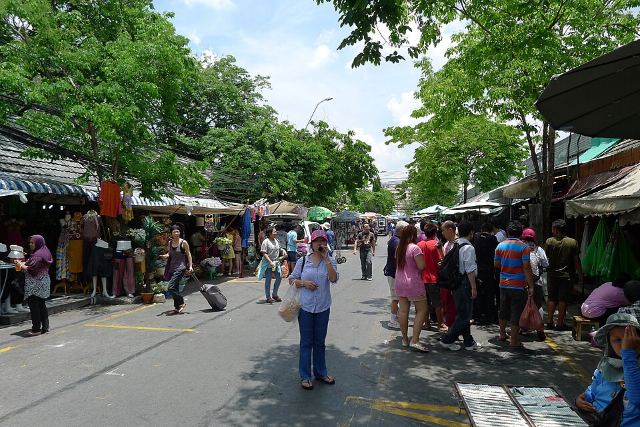
- Check Sunday street closures if combining the walk with the market.
Common questions
How long do I need?
A full day lets you see three or four temples, stop for lunch and wander the lanes without hurrying.
Do the temples charge admission?
Most are free. A few of the largest ask foreign visitors for a small fee to enter the main hall.
Is it easy to cycle?
Yes. The ground is flat and the lanes inside the walls are quiet. Take care on the busy one-way roads that run along each side of the moat.
When is the best time of year?
November to February is cool and clear. March and April are hot and often hazy with smoke.
In this guide
Tha Phae Gate and the old city moat
A gate-area orientation point for an Old City outing. Save a meeting location and choose a small walking section rather than assuming every visitor wants a full circuit.
Cost: Free
Wat Chedi Luang
An Old City temple stop for a focused architectural visit. Leave time for the areas currently open and follow the site’s instructions about entry and worship.
Wat Phra Singh
Use this temple as an anchor for a small Old City route. Interior access and the surrounding walk should be planned as separate parts of the visit.