Tokyo listening bars for beginners
Where the record is the point and talking is optional.
Do I need to speak Japanese?
No, though a few polite words help. Menus are short and you can usually point. If a small bar says it is full, thank the owner and move on.
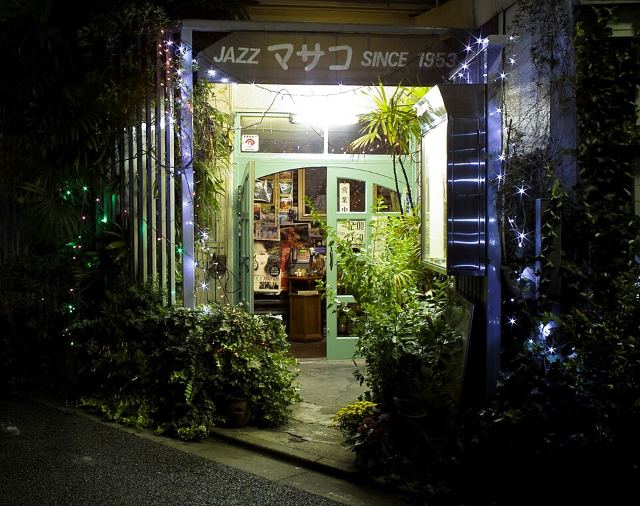
A listening bar is built around its sound system. The owner chooses the records, you choose a drink, and for the length of an album side nobody says much. The tradition grew out of the jazz cafes of the 1950s, when imported records cost more than most people could afford.
House rules vary. Some bars ask for silence, others just for low voices. If in doubt, watch the regulars. Many add a small cover charge and expect you to keep ordering.
Where the idea came from
Japan's jazz cafes, called jazz kissa, date back to the late 1920s and had their golden age in the 1950s and 1960s. Imported records were far too expensive for most people to own, so fans paid for a cup of coffee and listened to the owner's collection on the best equipment in town.
Many of those cafes survive. Alongside them, a younger generation has opened listening bars that play soul, ambient, city pop and electronic music with the same seriousness.
What to expect
Rooms are small, often with fewer than twenty seats, and the speakers are usually the largest objects in them. The owner chooses each record with care and may display the sleeve on the counter while it plays.
Most places add a cover charge to the bill, sometimes with a small snack. One drink per hour or so is the accepted pace. Whisky highballs and coffee are the standard orders.
Where to look
Shinjuku, Shibuya and Shimokitazawa have the highest concentration, and the western suburbs along the Chuo line are known for long-established jazz cafes. Many are on upper floors or in basements with only a small sign at street level.
Choose the listening experience first
The linked listening-bar feature traces Tokyo’s listening bars to the postwar jazz-kissaten tradition and distinguishes recorded-music spaces from live-performance venues. Its examples include Jazz Inn Uncle Tom in Sangenjaya and Spincoaster near Yoyogi, illustrating how coffee shops and evening bars can both put the music at the centre of a visit.
For your own evening, decide whether you want coffee with records or drinks in a bar before choosing a neighbourhood. Check the venue’s current programme, request policy and charges directly; the original article is dated 2024 and is not a live schedule.
Good to know
- Keep your phone on silent and your voice low. In some rooms talking is not allowed at all.
- Ask before taking photographs.
- Groups of more than two or three will struggle to get seats.
- Some bars allow smoking. Check at the door if that matters to you.
Common questions
Can I request a record?
In some bars. Ask the owner whether requests are taken, and choose from the shelves. Do not offer your phone.
When do they open?
Jazz cafes often open in the afternoon and serve coffee. Bars open from early evening and run late.
Is it awkward to go alone?
Not at all. These are among the easiest places in Tokyo to enjoy by yourself.