Rome first visit: separate the Pantheon walk from the Colosseum booking
Compare a central-square outing with an archaeological visit, then build the day around the ticket and energy you actually have.
Plan this outing
- Flexible outing
- Pantheon area, a selected interior visit and lunch nearby.
- Booked outing
- Colosseum entry and a chosen Forum or Palatine route.
- Suggested allowance
- Give the archaeological outing half a day or longer if you want a slower visit.
Independent desk-researched planning guide. Official references checked on 10 October 2026; time allowances and suggested combinations are editorial choices, not tested itineraries. Confirm current access and booking conditions before travelling.
| Plan | Booking decision | Suggested finish |
|---|---|---|
| Pantheon area | Check interior admission | Lunch and a flexible square walk |
| Colosseum and selected archaeological area | Product and entry slot | Meal before another commitment |
A Rome itinerary can look short on a map and still feel full when it contains security queues, interior visits and a large archaeological landscape. The useful decision is not whether every famous name fits. It is whether you want a flexible walk around central squares or a visit organised around an archaeological-park ticket.
The Pantheon and Colosseum options serve different interests. One can be a focused building visit with room to sit afterwards; the other involves choosing a ticket product and reserving the Colosseum entry. Build your day around the option you care about most, then make lunch and the journey home part of the plan.
Use the Pantheon square as a meeting point, not an admission ticket
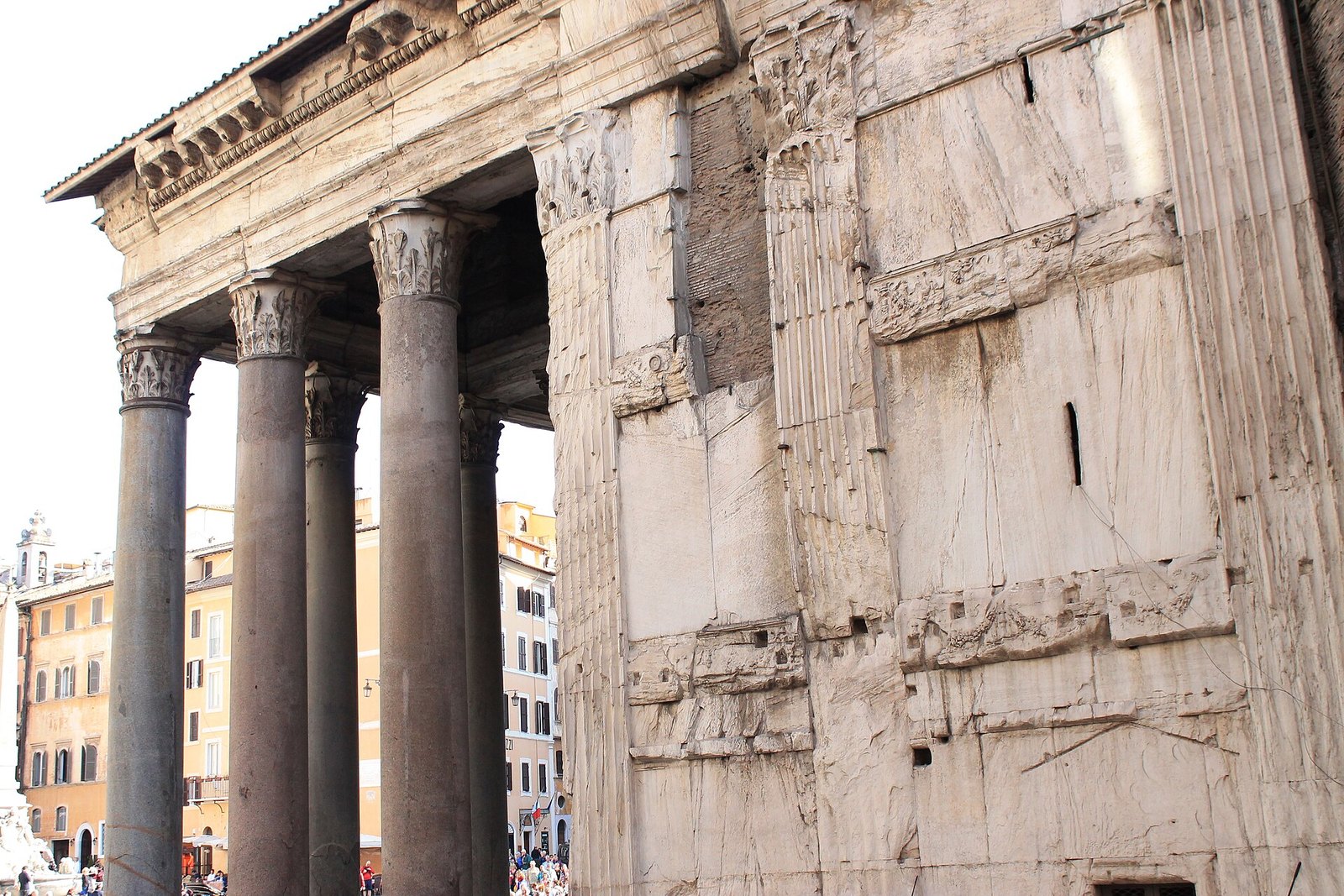
Turismo Roma describes the Pantheon as a monument that is also a religious building. Its visitor listing notes that arrangements can change around celebrations. If the interior is your priority, consult the linked official admission information first and keep the square visit separate from the building visit.
Our suggested central outing is deliberately small: arrive near Piazza della Rotonda, make the interior decision, then choose a meal or a short walk rather than immediately chasing another reservation. Pick a meeting point that everyone can identify. Allow one person to pause without making the rest of the group lose a booked entrance elsewhere.
Read the Colosseum product as a list of permissions
The archaeological park’s ticket page distinguishes products and requires a reserved Colosseum entry slot. Start with the official page and record the product name, visit date, entry time and included areas. Do not assume a photograph of the arena or underground rooms describes the access in every ticket.
Before paying, compare what the product offers with the visit you actually want. A guide, an audio product and access to additional areas can be separate choices. Save the confirmation where it can be retrieved at the entrance and read the visitor rules on bags and identification. The goal is a clear booking, not an impressive collection of ticket names.
Give the Forum and Palatine their own energy budget
The Roman Forum and Palatine form an extensive archaeological landscape rather than one quick room after the arena. Use the official site information to choose an approach and decide how much of that landscape you want to cover. An exterior viewpoint is not the same as entering the archaeological area.
After the Colosseum, check whether the group still wants a long outdoor visit. Choose a shorter circuit if that better matches the day, while checking how your ticket’s validity and entry conditions work. Avoid adding another timed attraction simply because its map pin appears close. Walking surfaces, standing and the available breaks matter as much as straight-line distance.
Keep lunch outside the ticket calculation
Treat admission spending, local transport and meals as separate decisions. A ticket that combines sites does not make the time or energy needed to visit them disappear. Our planning allowance is half a day for a selective archaeological outing, with more room if you want to read, rest or examine several areas slowly.
Arrange the meal after the main commitment with enough flexibility for a longer visit. If you have a train, flight or evening booking, work backwards from that deadline and include the return journey. On a shorter day, one completed priority is preferable to leaving several places half visited. Save the unused option for a second outing instead of making it compulsory.
Good to know
- Keep the exact archaeological ticket name with the confirmation.
- Check religious-service notices before a Pantheon interior visit.
Common questions
Should the Pantheon and Colosseum be on the same day?
They can be, but this guide treats them as separate outings so a timed archaeological visit is not squeezed into a central-square walk.
Does every Colosseum ticket include underground access?
No. Only expect access that the selected official ticket product explicitly includes.
Is the Forum a quick extra after the Colosseum?
Not necessarily. Choose a route and energy allowance for the archaeological landscape rather than treating it as a single room.
In this guide
Pantheon
Choose a focused interior visit or an exterior square stop. Check the current admission arrangements and religious-service notices rather than treating a public square as access to the building.
Colosseum
Compare the exact archaeological-park ticket and reserved Colosseum entry time. Arena, underground and other access should only be expected when the purchased product explicitly includes it.
Roman Forum and Palatine
Give the archaeological landscape its own energy and time allowance. Read the ticket coverage and route information, then choose a shorter visit if a full site circuit does not suit your group.