Bo-Kaap: history, the museum and a respectful neighbourhood visit
Put local history ahead of a doorway photograph, with the museum or a named cultural activity as your anchor.
Plan this outing
- Learning anchor
- Research the Bo-Kaap Museum
- Worship-site enquiry
- Auwal Mosque; separate visitor permission
- Photo etiquette
- Respect residents, entrances and consent
Additional destination and visitor references checked 12 November 2026. These are desk-researched planning choices, not firsthand reviews. Suggested sequences are editorial proposals; dated reference information and live availability are different.
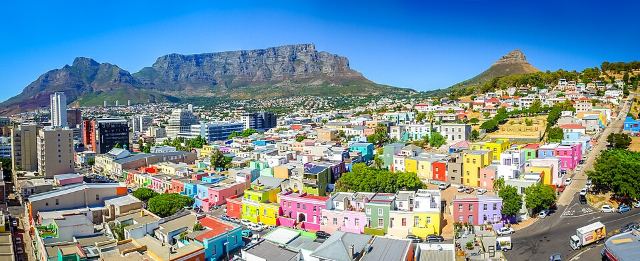
Put local history ahead of a doorway photograph, with the museum or a named cultural activity as your anchor. A neighbourhood is more than a colour palette, even when the colours are the first thing that catches your eye. Our Bo-Kaap edit begins with the people who live there and the histories that make the place distinct. Choose a small, thoughtful visit instead of moving from doorway to doorway collecting backgrounds. You can enjoy architecture and photographs while remembering that the street is part of someone else’s ordinary day. That awareness gives the outing more depth, not less pleasure.
Begin with history, not a colour legend
Cape Town Tourism describes a predominantly Muslim Cape Malay community and a history tied to enslaved people and political exiles brought to the Cape. That context matters more than reducing the neighbourhood to a paint palette. Read the museum’s interpretation and avoid treating a short visitor overview as a complete account of the community.
Two named enquiries to make
The tourism authority points visitors towards the Bo-Kaap Museum in Wale Street and Auwal Mosque in Dorp Street. A museum visit and a place of worship have different visitor arrangements. Confirm public access independently and respect prayer, private areas and instructions at the entrance. A street photograph establishes no permission to enter either.
Our choice for a first visit
Choose the museum as the learning anchor if its current arrangements suit your day, then add a modest streetscape look. If booking a food or cultural activity, compare the named host, meeting point and inclusions. Our aim is an understood visit rather than a checklist of colourful doors.
Photographs and movement
Stay in public visitor space and ask before prominently photographing people. Do not use steps or doorways as a stage, block access or expect a resident to perform for a travel image. Use current local visitor and safety guidance for the route; this article is not a street-by-street security assessment.
Use the museum operator for the learning stop
Iziko’s Bo-Kaap Museum page describes the area’s community history and Islamic heritage. Use the institution’s current visitor arrangements for a museum visit rather than treating colourful residential streets as a substitute for learning about the neighbourhood.
Our suggestion is to choose one historical question before walking: what the museum says about the community, housing or displacement. Keep a worship-site enquiry separate and ask before photographing people or entering private areas. Museum research does not grant access to nearby homes or a mosque.
Common questions
Where can I begin learning about Bo-Kaap?
Cape Town Tourism identifies the Bo-Kaap Museum in Wale Street as a place to research local history. Confirm its own visitor arrangements.
Can I enter Auwal Mosque as part of a street walk?
Check its visitor arrangements separately and follow worship-site instructions; public street access is not interior permission.
Should I book a cultural experience without a named host?
Compare the actual host, meeting point and inclusions before payment.
In this guide
Bo-Kaap
A residential neighbourhood for respectful public-street observing. Ask before photographing private doorways or people and leave ordinary movement unobstructed.
Reference cost: Free to wander
Reference details may have changed. Check the linked venue before travelling or budgeting.